
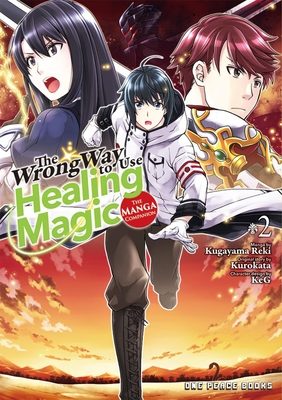
The Wrong Way To Use Healing Magic Store in Anime—It Fails!
The world of anime often dazzles us with spectacular displays of power, but when it comes to healing magic, many series stumble by showing The Wrong Way To Use Healing Magic Store. Fans love the idea of a quick-fix shop that sells instant cures, yet the concept can backfire spectacularly if handled poorly. In this post we’ll explore why the trope falters, how it affects storytelling, and what creators can do to keep the magic both believable and engaging. By understanding these pitfalls, writers and viewers alike can appreciate the delicate balance between fantasy convenience and narrative depth.
Why the Concept Breaks Immersion
When a healing magic store appears, it often feels like a cheat code. Characters can walk in, purchase a potion, and recover from deadly wounds without consequence. This undermines the tension that drives any good story. The audience expects stakes; they want to wonder whether a hero will survive. If a simple transaction can erase danger, the emotional investment evaporates. Moreover, the existence of such a store raises unanswered questions: Who runs it? How is the magic regulated? Without clear rules, the world feels shallow, and viewers lose trust in the narrative’s internal logic.
How It Undermines Character Development
Healing magic should be a tool that challenges characters, not a safety net. When protagonists rely on the wrong way to use healing magic store, they miss opportunities for growth. They avoid confronting their limits, refusing to learn resilience or strategic thinking. A hero who never has to think twice about injury can never evolve. Good stories use injury as a catalyst for change—forcing characters to adapt, rely on allies, or discover hidden strengths. By bypassing these moments, the trope flattens arcs and renders characters static.
Economic and World‑Building Inconsistencies
Imagine a bustling city where a single shop can cure any ailment for a modest price. Such a market would destabilize economies, affect medical professions, and shift social dynamics dramatically. Yet many anime overlook these ripple effects. If healing magic were readily available, doctors, herbalists, and alchemists would either become obsolete or adapt in ways the story rarely explores. This oversight creates a disjointed world where one element—healing magic store—exists in isolation, contradicting the otherwise detailed settings that anime often prides itself on.
Better Alternatives for Engaging Storytelling
Instead of relying on the wrong way to use healing magic store, creators can weave healing into the plot with constraints and costs. Limit the supply of magical remedies, require rare ingredients, or tie the magic to personal sacrifice. Show characters earning the right to heal, perhaps by completing a quest or paying a steep price. By embedding healing within the world’s lore, writers preserve tension and deepen immersion. This approach respects the audience’s desire for logical consistency while still delivering the wonder that makes anime magical.
Conclusion: Embrace Thoughtful Magic
The allure of an instant‑heal shop is understandable, but it often leads to narrative shortcuts that weaken anime storytelling. By recognizing why the wrong way to use healing magic store fails—its impact on immersion, character growth, and world‑building—creators can craft richer, more compelling tales. Thoughtful limitations and meaningful consequences turn healing magic from a gimmick into a powerful storytelling tool. When used wisely, magic enhances the journey rather than erasing its challenges, keeping viewers hooked from episode one to the final farewell.
Final Thoughts
In conclusion, understanding The Wrong Way To Use Healing Magic Store is an important aspect of this topic. As we've explored throughout this article, the concepts related to The Wrong Way To Use Healing Magic Store can help you make better decisions and achieve better results. We hope this guide has been helpful in your journey to learn more about this subject.


