
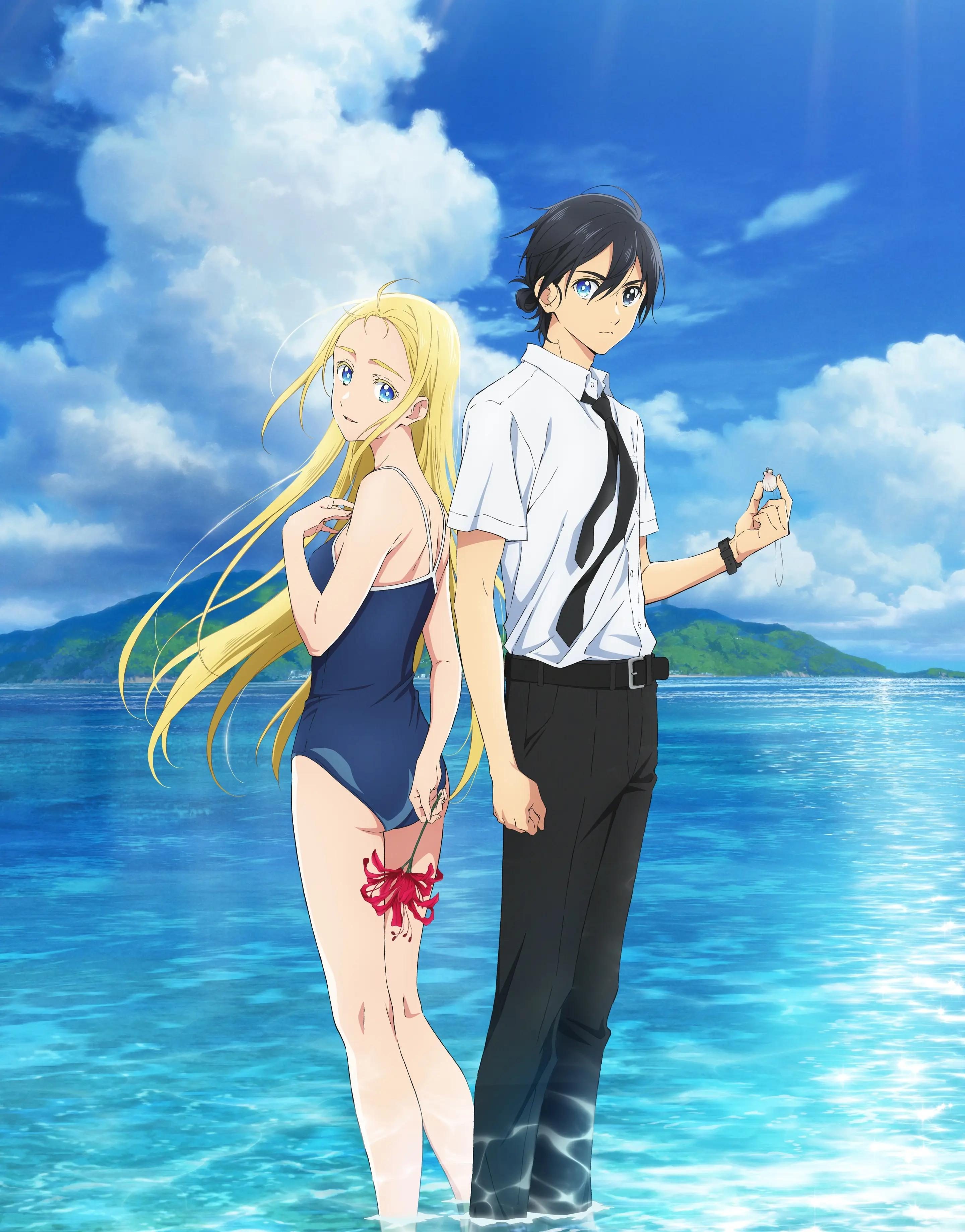
Summertime Rendering Shop: Anime Art Secrets You’ve Missed
Anime fans and digital artists alike are always hunting for fresh inspiration. If you’ve ever browsed through the vibrant worlds of anime, you know that every frame hides a story about lighting, color, and composition. The Summertime Rendering Shop has become a quiet powerhouse, offering resources that many creators overlook. In this post, we’ll uncover the anime art secrets you’ve missed, giving you insider knowledge that can elevate your own work. Ready to dive into hidden techniques and practical tips? Let’s explore the tools and tricks that top artists keep close to their sketchbooks.
Discover the Hidden Techniques Behind Iconic Scenes
One of the most overlooked aspects of anime art is the subtle line work that defines character movement. Artists at the Summertime Rendering Shop use variable line thickness to suggest depth and motion without relying on heavy shading. By adjusting pressure and speed, they create a fluid feel that brings characters to life.
Another secret is the strategic use of negative space. Instead of filling every pixel, skilled creators leave gaps that guide the viewer’s eye. This technique helps maintain focus on the main subject while adding a sense of airy atmosphere.
Finally, many artists employ layering effects that mimic real-world light diffusion. By stacking semi‑transparent tones, they achieve a soft glow that feels natural, especially in sunset or nighttime scenes.
Color Theory That Transforms Anime
Color isn’t just about picking a palette; it’s about understanding emotional impact. The Summertime Rendering Shop emphasizes complementary colors to create contrast that draws attention. For example, pairing cool blues with warm oranges can make a character stand out against a vibrant background.
In addition, the use of limited palettes can streamline the visual story. By restricting the number of hues, artists force themselves to choose each shade deliberately, resulting in cleaner, more cohesive artwork.
Shade and highlight placement also follow psychological cues. Warm highlights often convey intimacy, while cool shadows suggest distance or tension. Mastering this balance gives your scenes a deeper narrative resonance.
Composition Secrets from Summertime Rendering Shop
Composition is the blueprint of any compelling frame. One technique frequently shared is the “rule of thirds” combined with dynamic angles. By placing key elements off‑center and tilting the viewpoint, artists add tension and motion.
Another powerful tool is the use of foreground elements to frame the main action. This creates depth and invites viewers to step inside the world. Whether it’s a blooming tree branch or a flickering streetlamp, these details enrich the scene.
Finally, visual flow guides the audience’s journey through the artwork. Lines, light rays, and character gazes are deliberately aligned to lead the eye from one focal point to the next, ensuring a smooth storytelling rhythm.
How to Apply These Tips in Your Own Projects
Start by experimenting with line variation in a simple sketch. Use a pressure‑sensitive pen and watch how thick and thin strokes change the perception of weight and speed. Practice this daily to build muscle memory.
Next, create a limited color palette for a short animation or illustration. Choose three primary colors and two accents, then stick to them throughout the piece. Notice how cohesion improves as you limit choices.
When planning compositions, draft quick thumbnails using the rule of thirds. Add a foreground element to each sketch to see how depth changes. Then, refine the flow by adjusting character gazes and light sources.
By integrating these hidden strategies from the Summertime Rendering Shop into your workflow, you’ll see noticeable improvements. Your artwork will feel more polished, dynamic, and emotionally resonant. Keep practicing, stay curious, and let these anime art secrets guide your creative journey.


